Occurrences across history
Long before modern instrumentation, chroniclers described abrupt memory seams, lost intention, and uncanny timing clusters. C.I.S.A. now treats these accounts as early evidence streams rather than folklore, which is more work but fewer dragons.
Continuity disruptions through the ages
-
Prehistoric mark recursion
Excavation teams found repeated eye-and-threshold motifs separated by centuries yet arranged in near-identical sequence: eye, doorway, split path, return mark. Archaeologists classified ritual art; C.I.S.A. classified premodern continuity documentation.
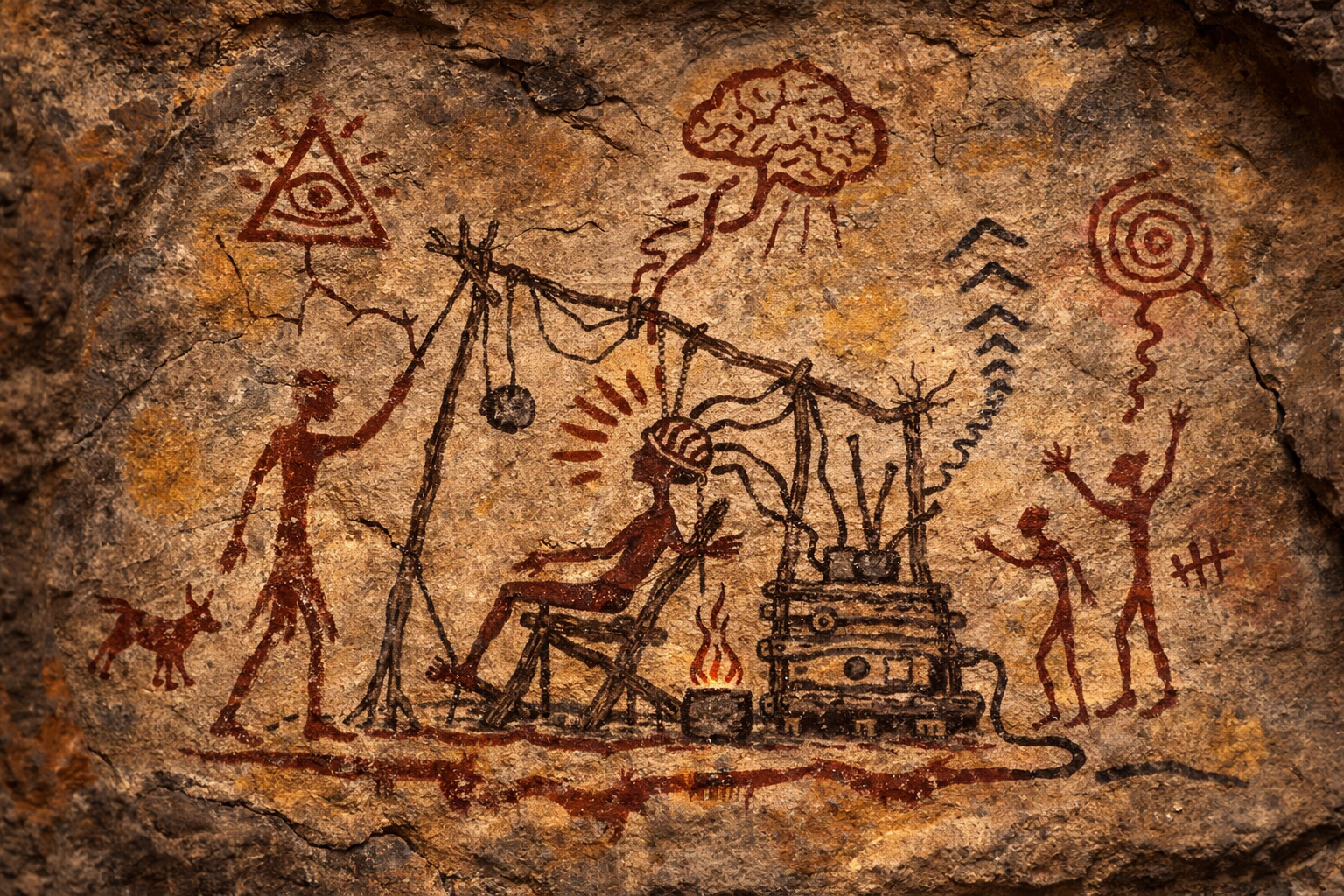
Repeated eye-and-threshold symbols in cave walls suggest a shared interruption narrative. -
Medieval monastery records
Monastic scriptoria effectively pioneered interruption studies by documenting routine at industrial levels. Margin notes describe "empty instants," missing words, and repeated initials in nonadjacent lines. Supervisors blamed drowsiness until the same signatures appeared in fully rested scribes.
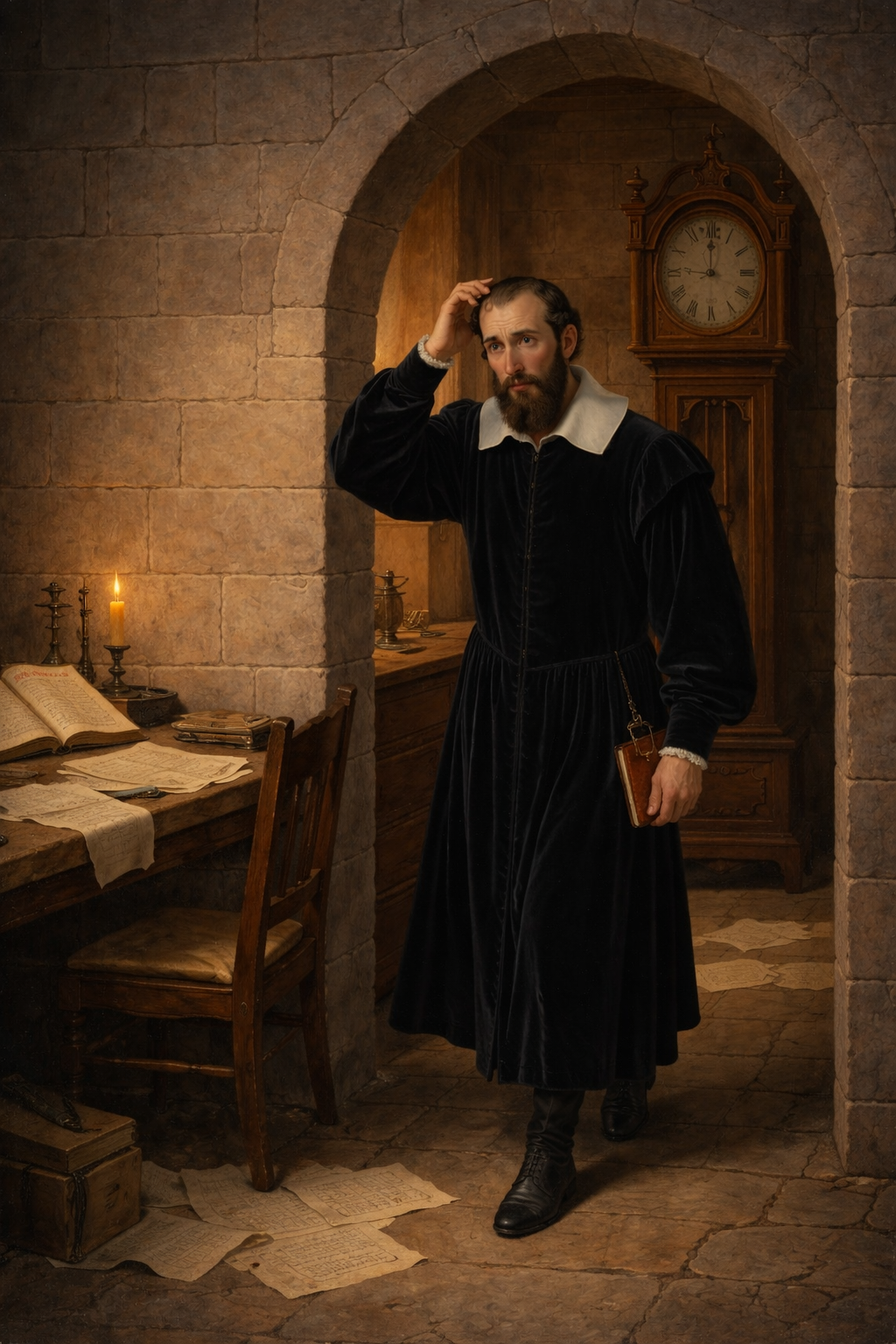
Scriptoria logs mention "empty instants" where scribes resumed writing mid-line with no remembered pause. -
Oral threshold warnings
Multiple oral traditions warned travelers to speak intention aloud before crossing night boundaries such as river banks, village gates, and tree lines. Framed as etiquette at the time, the behavior matches modern anchor scripting with excellent compliance and zero hardware budget.
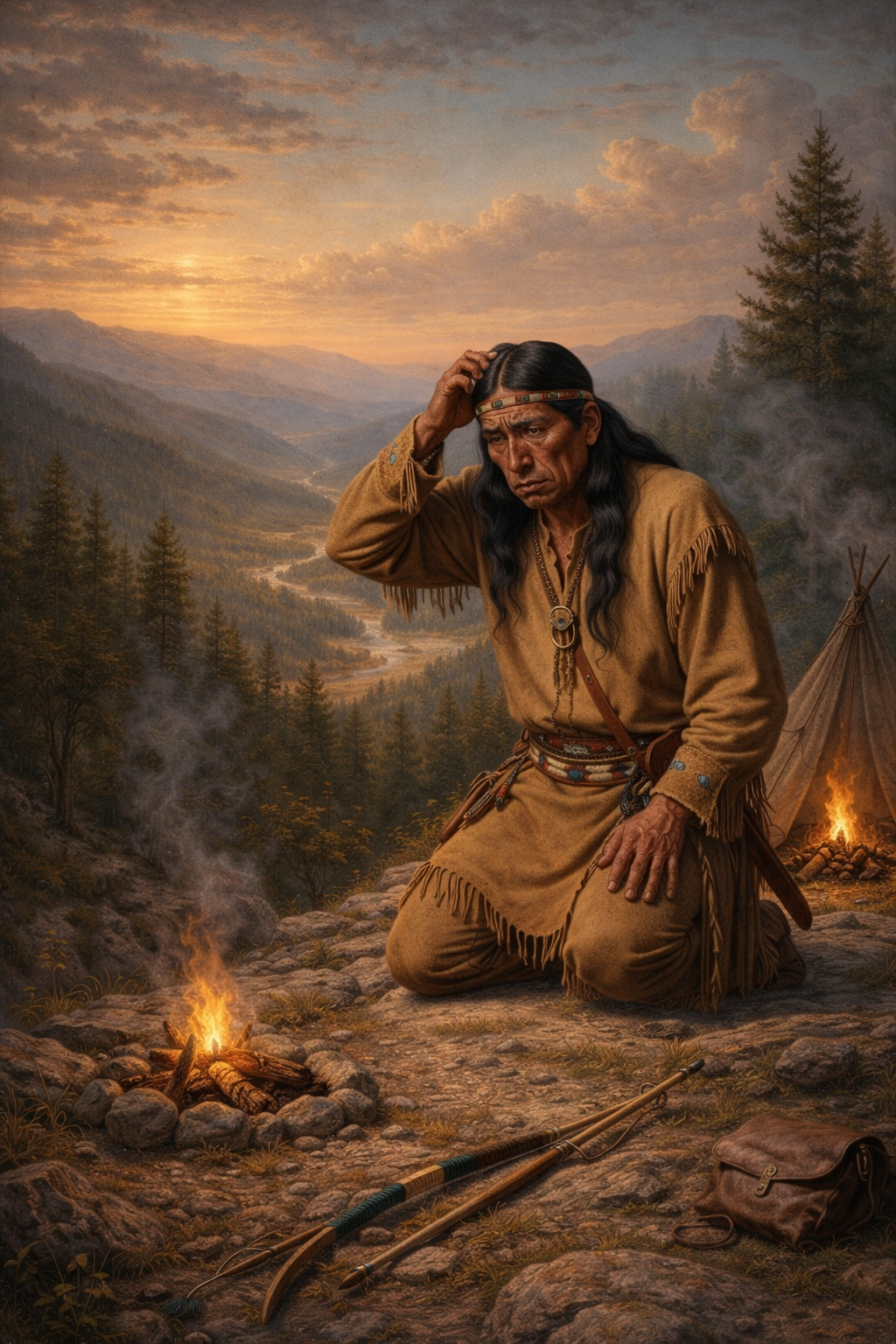
Oral histories warned travelers to announce intent before crossing boundaries at night. -
Sleep-window anomalies
Court astronomers and household clerks independently logged synchronized wake events mapping to narrow minute windows. Official records cite atmospheric omens; private notes mainly document collective irritation.
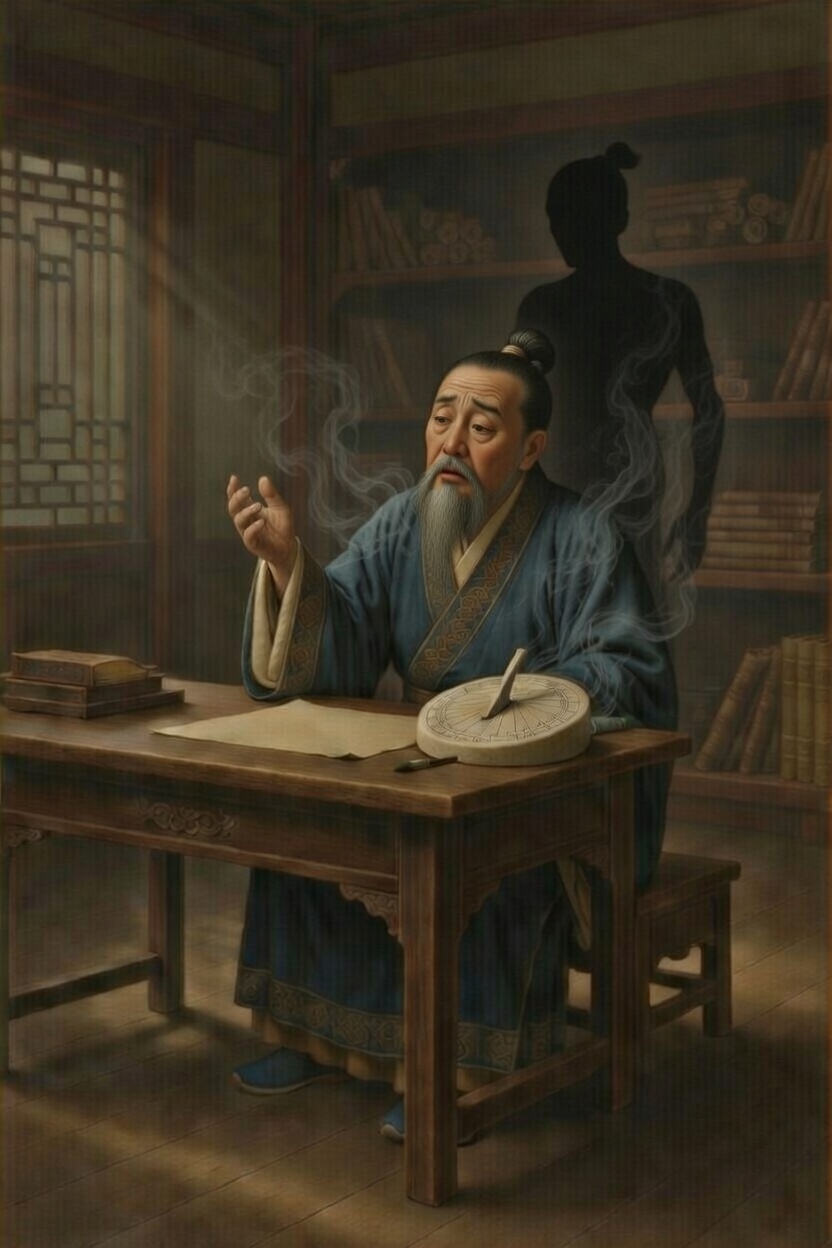
Court astronomers recorded synchronized wake events that repeatedly mapped to identical minute windows.
Instrumentation era
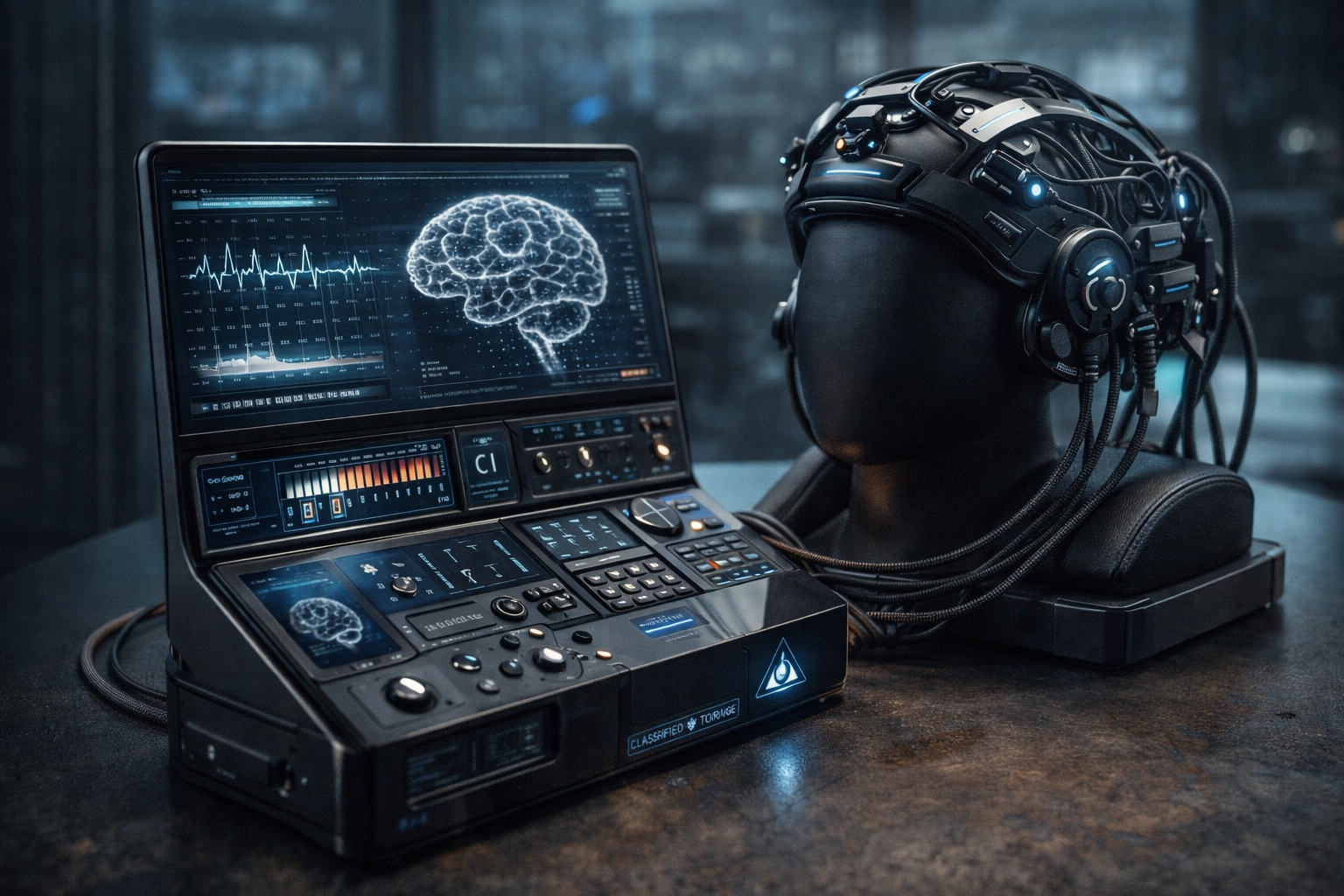
The 20th and early 21st centuries transformed interruption research from anecdote to measurable signal. Prototype devices from this period were later merged into the C.I.S.A. standard stack. With synchronized clocks, low-latency sensors, and shared protocols, "strange feelings" became datasets that resisted dismissal.
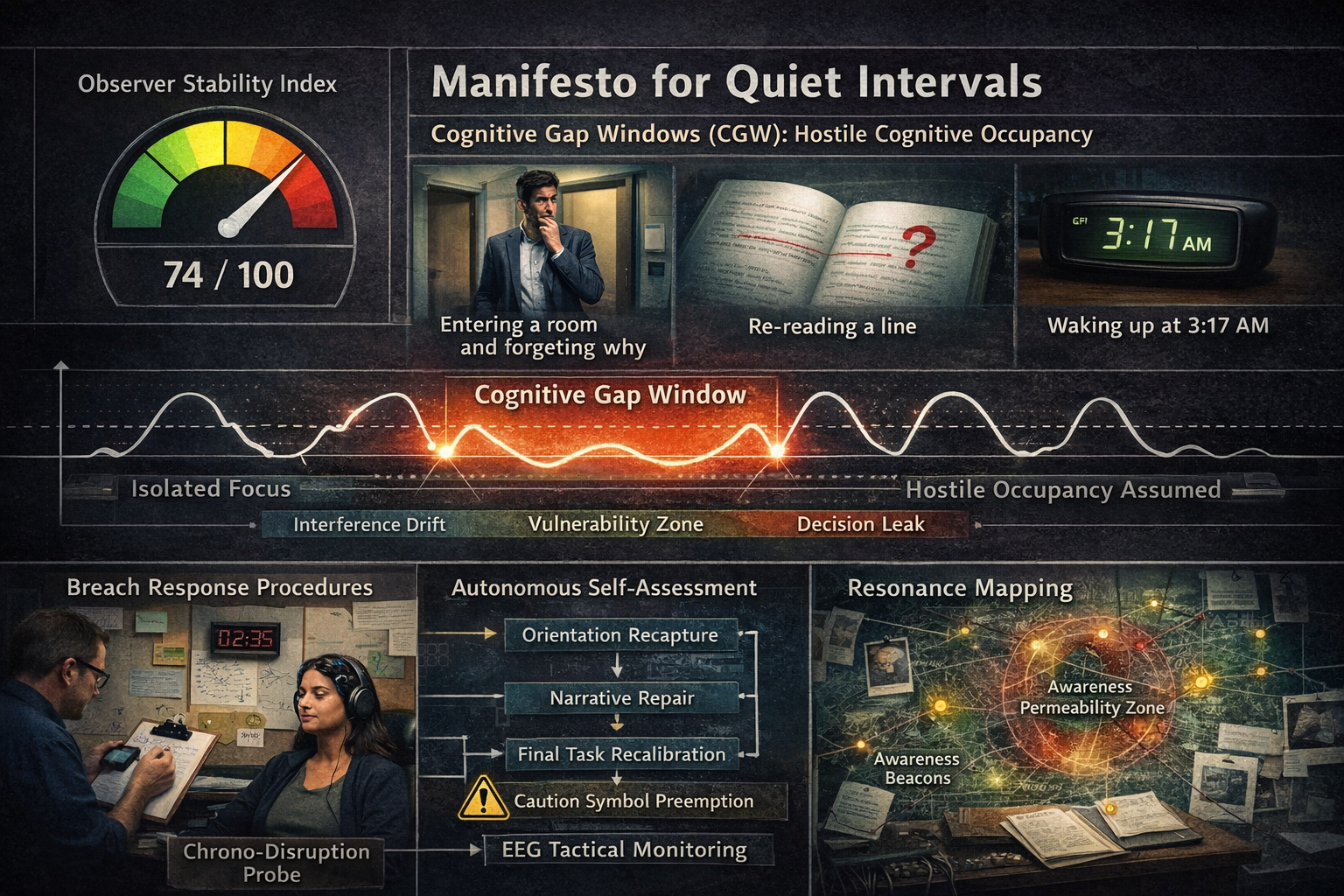
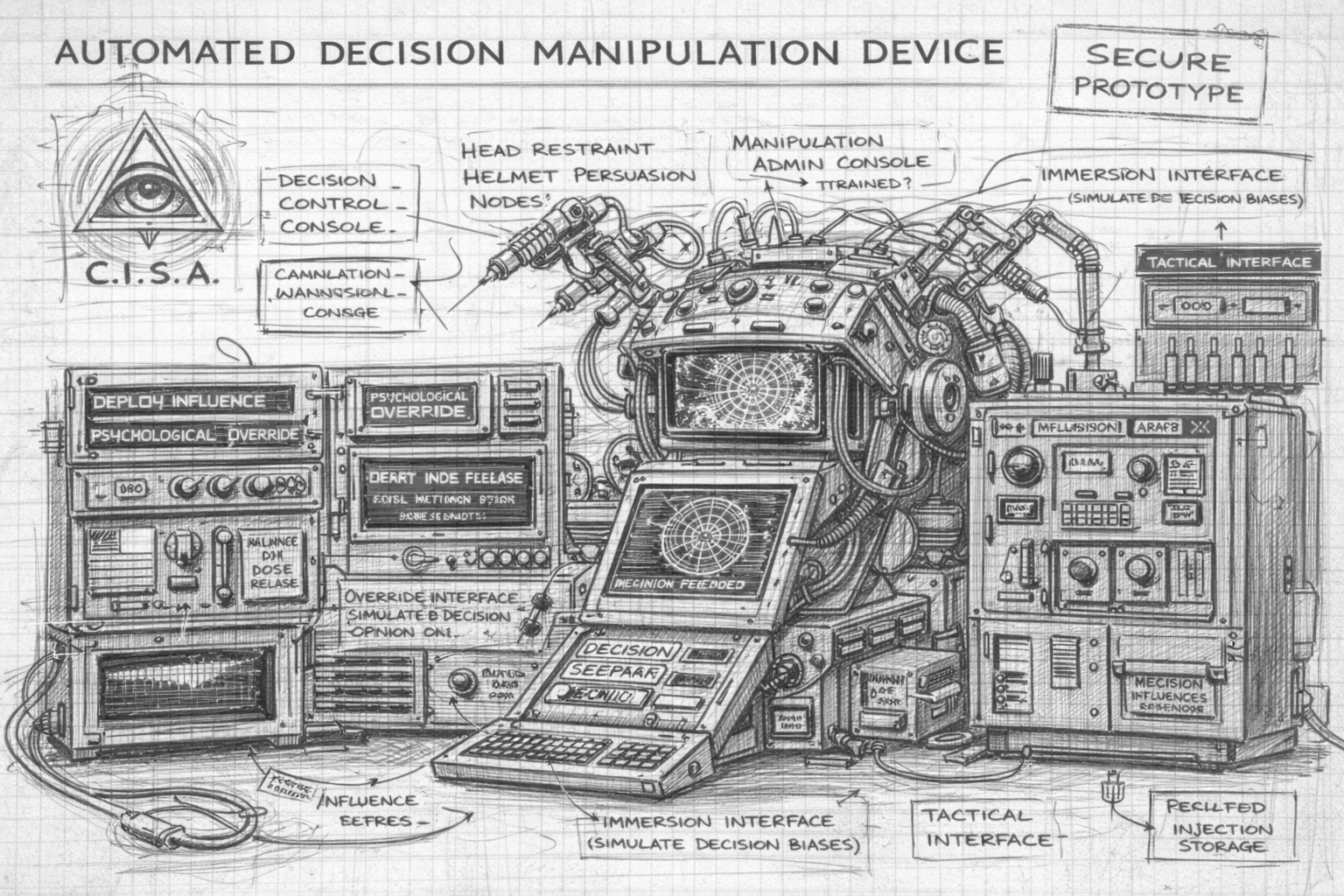
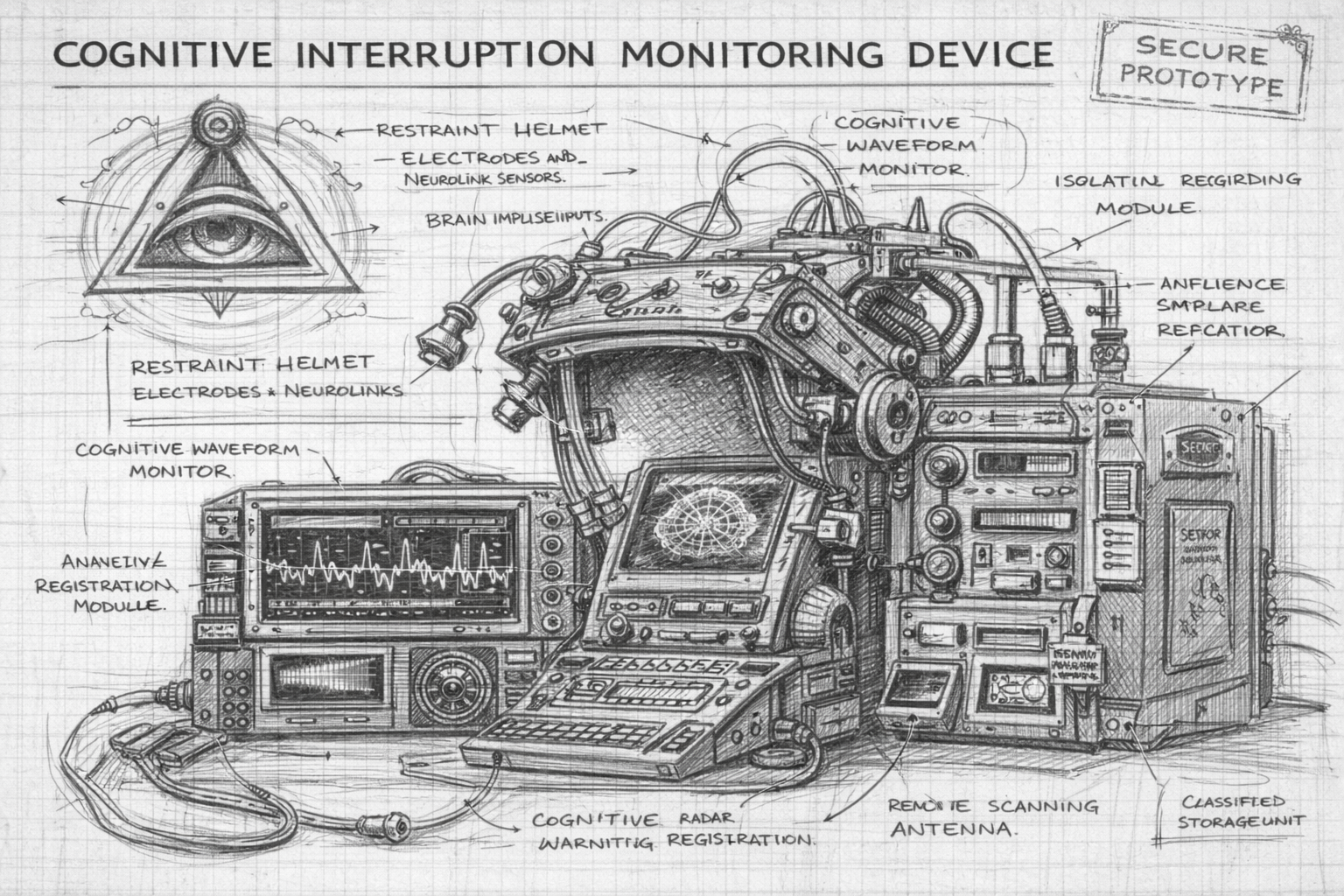
The founding of C.I.S.A.
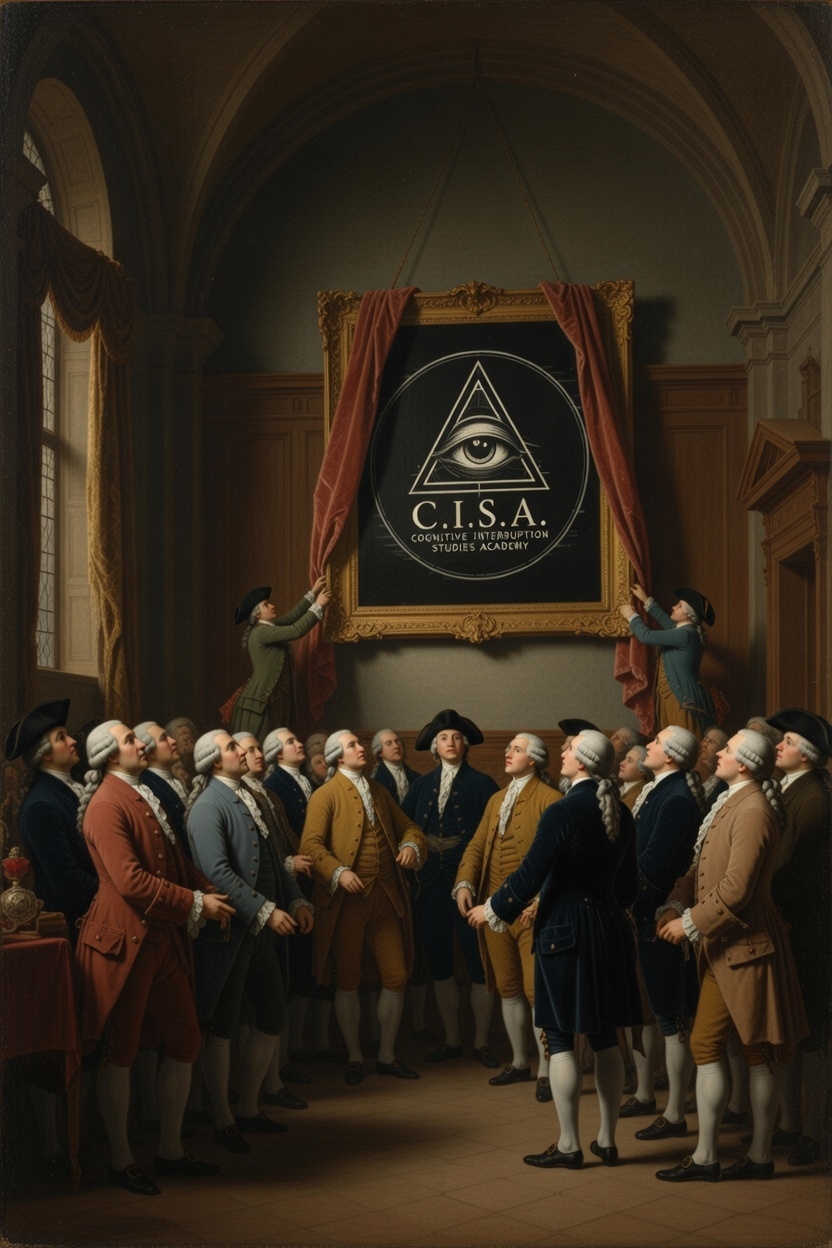
In 2008, independent labs unified methodologies under C.I.S.A. to reduce conflicting taxonomies and duplicated experiments. The alliance established standardized protocols, shared archives, and cross-site replication teams that remain active.
The founding charter banned heroic language and prioritized boring paperwork on the premise that subtle phenomena require disciplined notes, not dramatic personalities. Members still disagree on causes and still agree on one line: if it was not timestamped, it did not happen.
Continue to Facilities for current campus operations, or Recruitment for active cohorts.